Powering our data centers
the right way
We are committed to responsible energy growth in the communities we call home.
We pay our own way
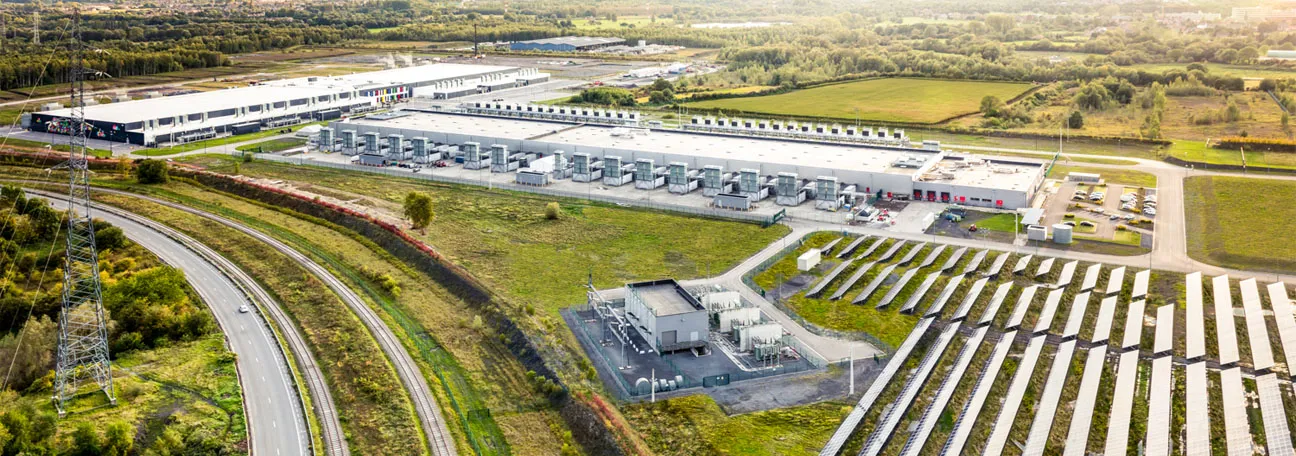
We believe that data centers done right can strengthen the power grid and create more affordable, reliable, and clean energy for everyone. At Google, we pay for 100% of the electricity our data centers and offices use, contribute to shared grid infrastructure, bring new resources online, and accelerate emerging technologies—benefitting the whole system.
We are an active member in every community we join
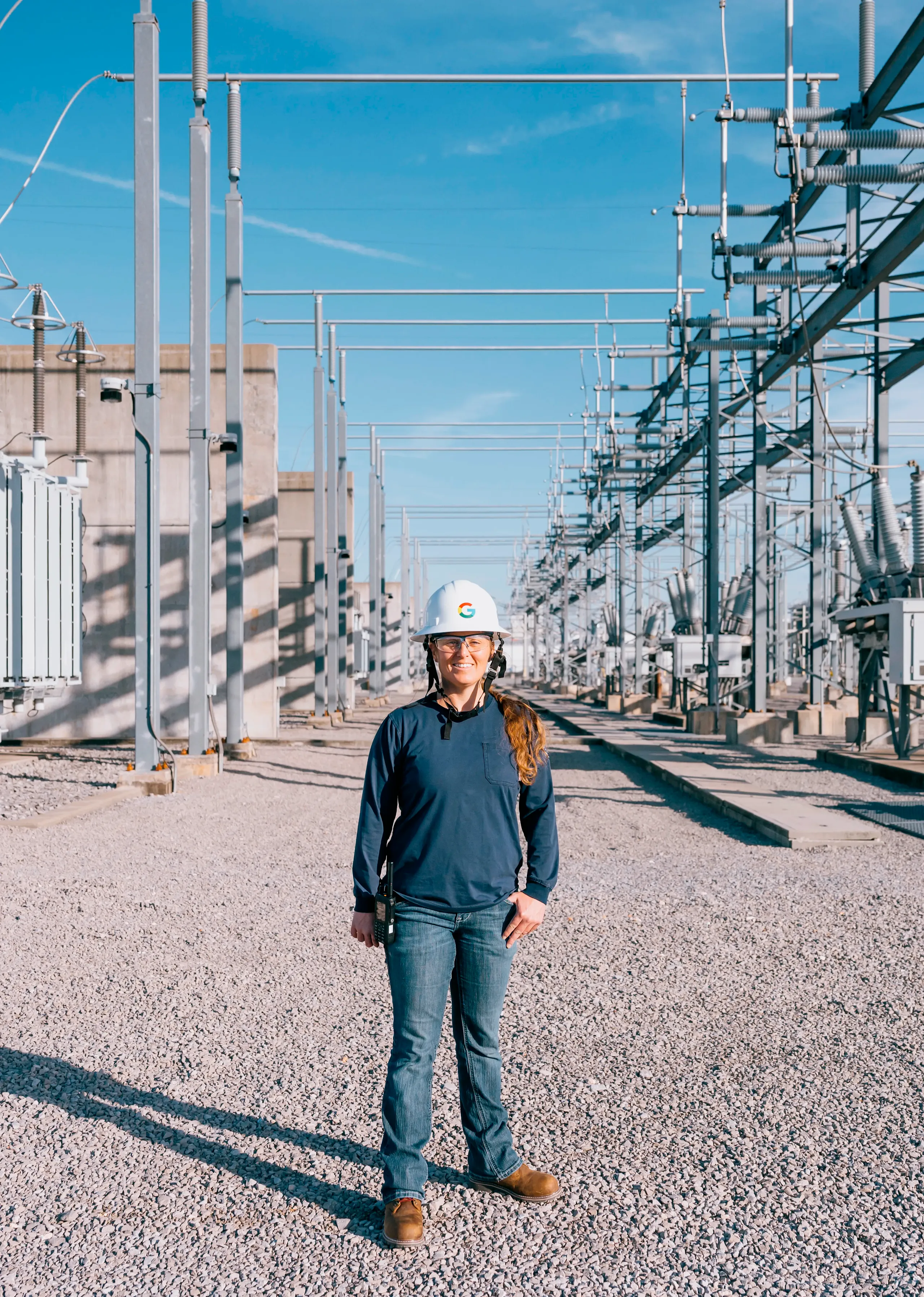
Our energy investments directly support the electric grids that reliably power homes, schools, and businesses around the world. Being a good neighbor also means investing in the things that matter most in the community—local jobs, schools, nonprofits, and the responsible stewardship of shared resources.
-
$545-729
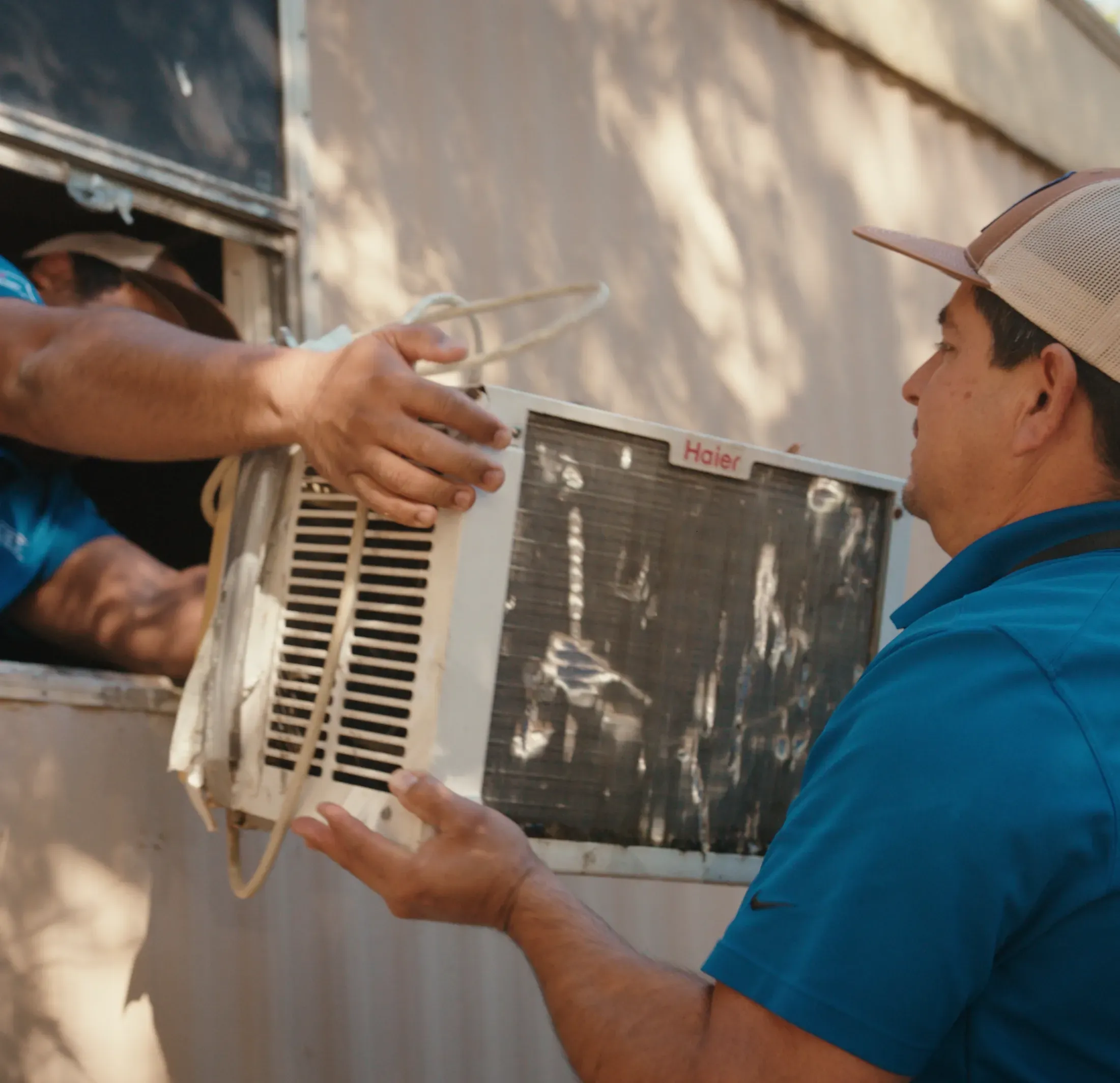
In North and South Carolina, our support of local weatherization readiness and health and safety repairs led to annual cost savings estimated at $545–$729 per participating home.
-
Improving energy affordability
We are collaborating with local governments, utilities, and nonprofits through our Energy Impact Program, which is designed to drive down electricity bills for residents in our data center communities. We provide funding for home upgrades, weatherization and safety repairs, community power projects, and training to prepare workers for new jobs.

Link to Youtube Video (visible only when JS is disabled)
-
Sustainably heating homes and buildings
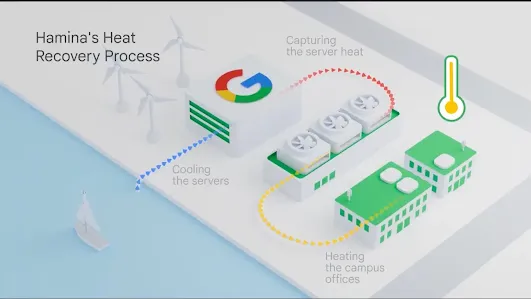
In Europe, we are building our new data centers with the infrastructure needed to support heat recovery. The recovered heat program at our Hamina, Finland data center is now live, designed to supply about 2,000 households with sustainable heat free of charge.
Link to Youtube Video (visible only when JS is disabled)
-
Supporting future electricians
In the U.S., we are supporting an effort to train 300,000 new skilled workers, including electricians, for high-demand careers across more than 20 states. Through a $50 million commitment from Google.org, funding will go directly to the training experts who build these programs from the ground up.

Link to Youtube Video (visible only when JS is disabled)


We bring new resources online and accelerate emerging technologies
We have a moonshot to run on carbon-free energy, every hour of every day, on every grid where we operate. To drive progress, we invest in both proven solutions and promising emerging technologies. From 2010 to 2025, we signed more than 240 agreements to purchase nearly 35 GW of new clean energy, with more than 12 GW contracted in 2025 alone—the largest annual total in our history and more than our total procurement from the previous two years combined.
-
$1.1 billion
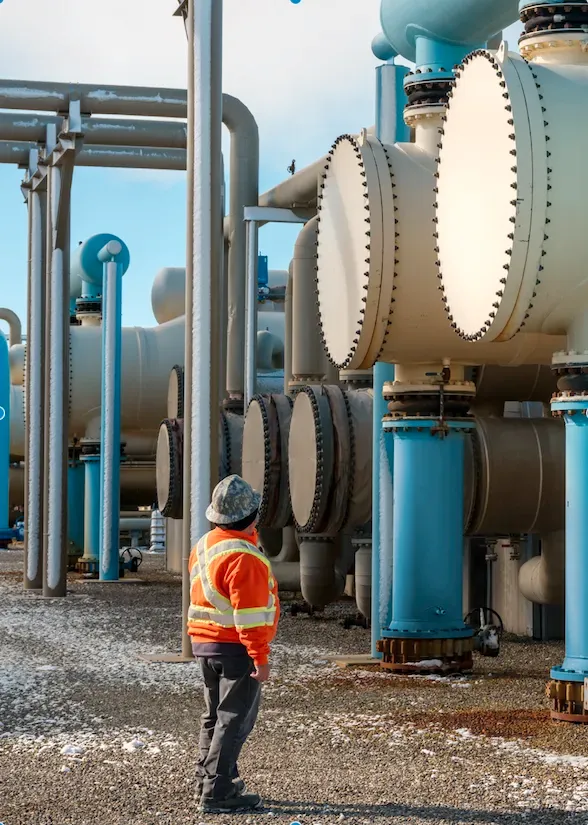
Over the next 15 years, our agreement in Minnesota is estimated to result in $1.1 billion USD in net benefits for other electricity customers and includes the largest battery by capacity announced so far.
-
Pioneering smarter ways to manage our demand
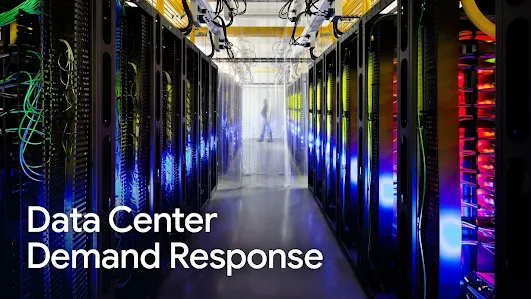
In certain locations throughout Asia, Europe, and the U.S., our data centers have industry-leading “demand response” capabilities. Demand response works by shifting flexible compute workloads to other times and locations, reducing our power demand on the local grid. In the U.S., we’ve integrated over 1 GW of demand response capacity into our long-term energy contracts with multiple utilities.
Link to Youtube Video (visible only when JS is disabled)
-
Accelerating the next frontier of energy
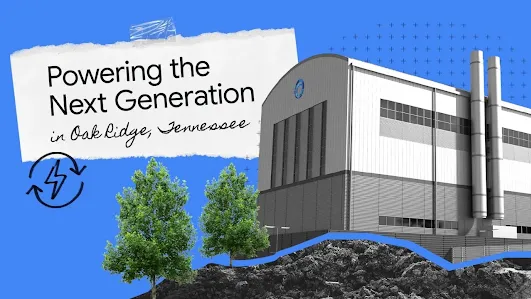
We invest in scaling up emerging clean energy technologies, including advanced nuclear, enhanced geothermal, and long-duration energy storage. Our early investments send an important demand signal to the market, helping them to reach commercial scale faster.
Link to Youtube Video (visible only when JS is disabled)
-
Contributing to grid resilience
We support solutions that modernize grid infrastructure and bring more energy to everyone. This includes AI-optimization tools and advanced conductors, a proven technology that can boost grid capacity in just months and at about half the cost of a new power line.


Our latest energy updates
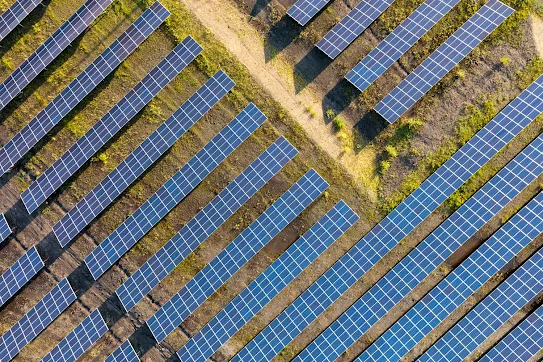
Our largest solar and battery storage project ever
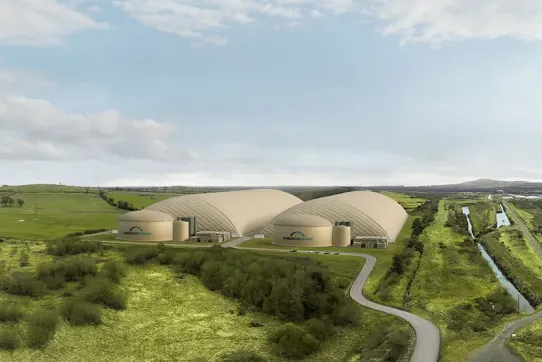
Google and Energy Dome launch a new long-duration energy storage project
We’re strengthening our presence in Alabama through new investments and community support
Our new community investments in Virginia support local jobs and expand energy affordability
We’re announcing a new data center and energy investments in Gray and Roberts Counties, Texas
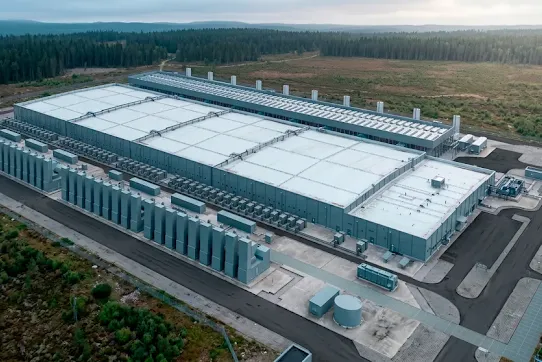
Blue, yellow and green: Google invests in its new data center in Sweden
We’ve signed a first-of-its-kind agreement with Voltus to create a smart capacity solution for the grid

We’re announcing the first Texas Energy Impact Fund recipients
We’re announcing new community investments in Missouri
A new milestone for smart, affordable electricity growth
Scaling clean energy and reliability in Michigan
Supporting the White House Ratepayer Protection Pledge: Google’s approach for responsible energy growth
Google is coming to Minnesota and advancing clean energy goals
We’re expanding our Texas presence with a new data center and clean energy in Wilbarger County.
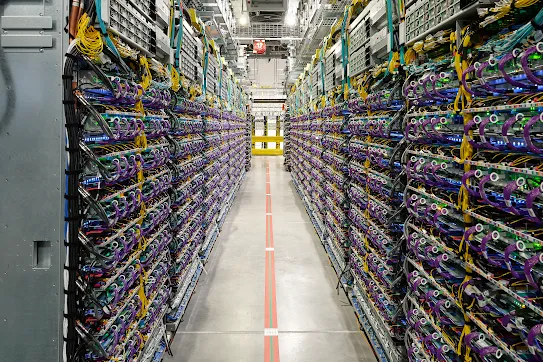
We're advancing U.S. energy innovation with Intersect.

Our new agreement with NextEra Energy will bring Iowa’s only nuclear plant back to life
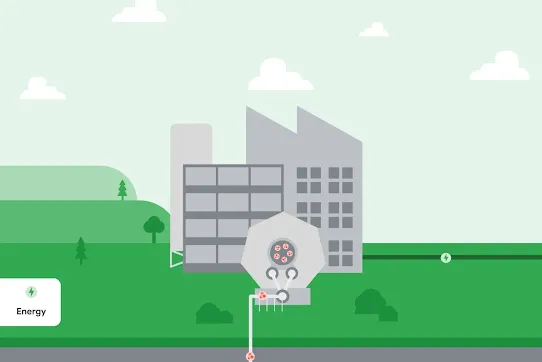
Our first carbon capture and storage project
We are shaping the future of long-duration energy storage technologies through a new partnership in Arizona
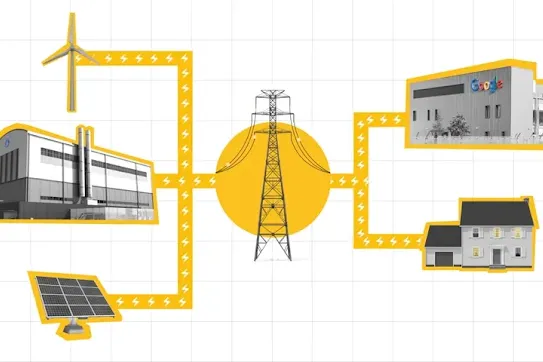
Our first advanced nuclear reactor project with Kairos Power and Tennessee Valley Authority
Our first step into long-duration energy storage with Energy Dome

Our latest bet on a fusion-powered future
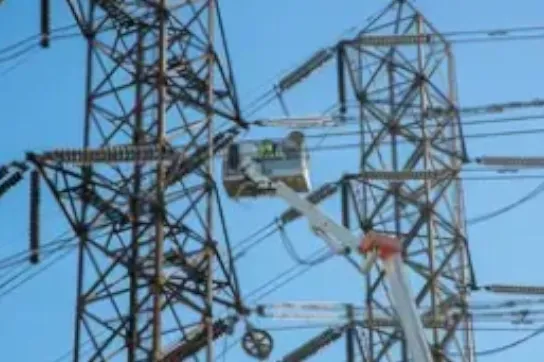
We’re partnering with CTC Global to increase and improve U.S. electrical grid capacity
Our approach to energy innovation and AI’s environmental footprint